


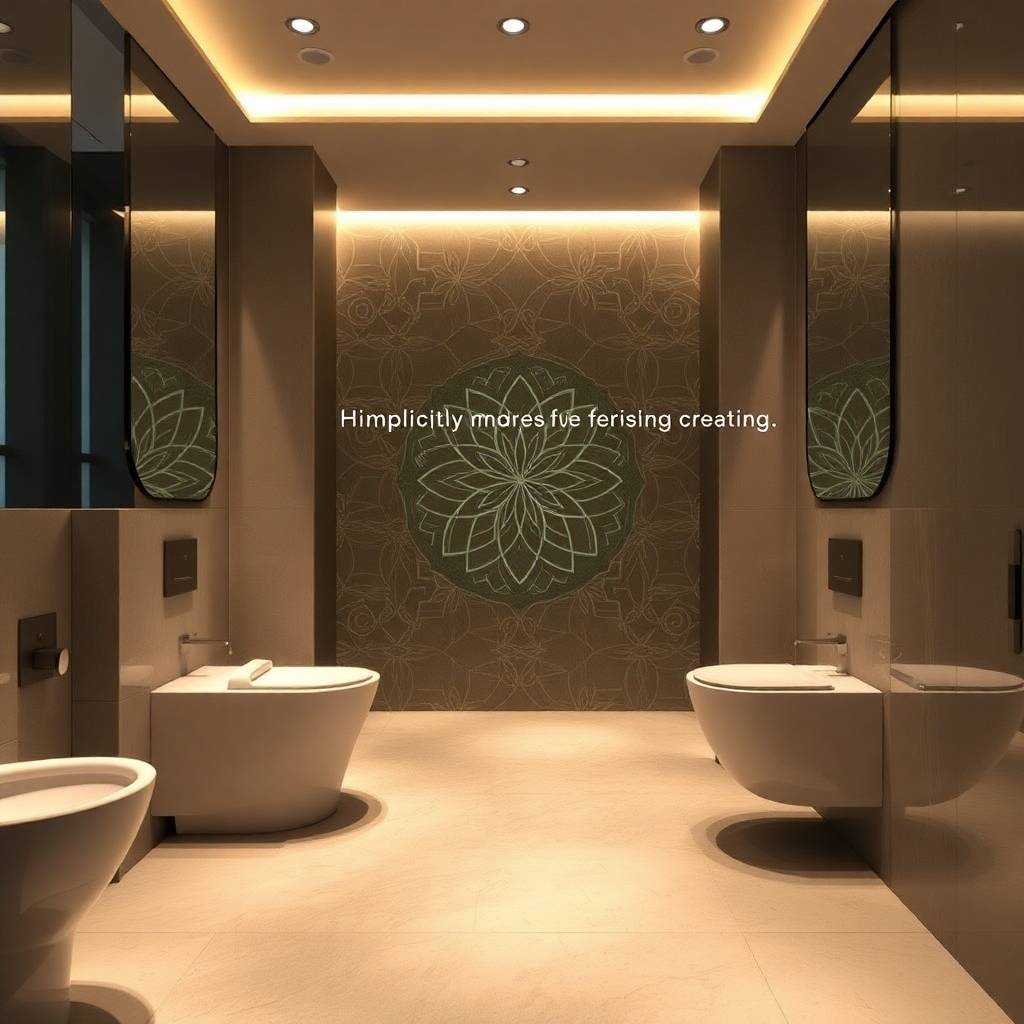
Educational Article: Touch Flush Tank
A touch flush tank is one of the modern sanitary bathroom fixtures used for flushing water in toilets, including wall-hung and standard toilets. Compared to traditional systems, it offers greater convenience, hygiene, and aesthetic appeal through the use of a touch panel or electronic sensor.
What Is a Touch Flush Tank?
A touch flush tank is a flushing system that uses a touch-sensitive panel or an electronic sensor instead of a mechanical lever or button. In some models, the flush is activated by touching the panel, while in others, it can be triggered without physical contact through motion-sensing technology.
Main Components of a Touch Flush Tank
- Water Tank: Stores the water required for flushing.
- Touch Panel or Sensor: Sends the command to initiate flushing.
- Electronic Flush Valve: Directs water into the toilet bowl.
- Power Supply: Usually powered by batteries or mains electricity.
- Float Valve: Regulates and maintains the water level inside the tank.
Advantages of Touch Flush Tanks
1. Improved Hygiene
Since there is little or no direct contact with surfaces, the risk of transferring germs and bacteria is significantly reduced.
2. Water Conservation
Many models feature dual-flush technology, allowing users to choose between a smaller or larger volume of water depending on their needs.
3. Modern Appearance
Glass or metallic touch panels provide a stylish and contemporary look that enhances the overall design of the bathroom.
4. Ease of Use
Users can activate the flush system simply by touching a button or moving their hand near the sensor.
Disadvantages of Touch Flush Tanks
- Higher purchase cost compared to conventional flush tanks.
- Dependence on batteries or electrical power.
- Electronic components may be sensitive to moisture and power fluctuations.
- Maintenance and repair costs can be higher.
Installation Procedure
- Turn off the water supply.
- Install the tank according to the manufacturer’s instructions.
- Connect the water inlet valve.
- Install the touch panel or sensor.
- Connect the power source.
- Test the system and check for any leaks.
Maintenance and Servicing
- Clean the touch panel regularly using a soft cloth.
- Replace batteries when necessary.
- Inspect water and electrical connections periodically.
- Remove scale and mineral deposits from internal components, especially in areas with hard water.
Conclusion
A touch flush tank is a modern sanitary solution that enhances hygiene, user convenience, and bathroom aesthetics. Although its initial cost is generally higher than that of traditional systems, its advanced features and water-saving capabilities can make it a worthwhile investment in the long term.